


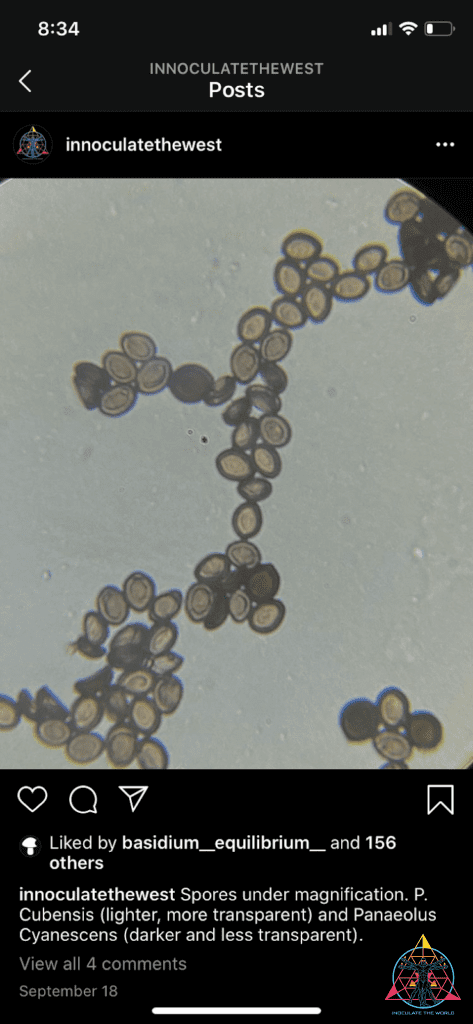
Denmark-based biology company Octarine began producing psilocybin via a brewer’s yeast called Saccharomyces cerevisiae. While producing less than previous strains of bacteria and yeast this has proven to be the cheapest method. While losing about half of the production to psilocin conversion they are trying to work through those issues. They believe that the yeast processes are too similar to our stomach digestion and converting the psilocybin to psilocin. While still useful and may have a higher binding rate to Serotonin receptors, they are trying to make more psilocybin as that’s what they are testing. The reason for all of this is to make psilocybin more available to scientists and healthcare researchers. Traditionally, Psilocybin mushrooms are grown from spores, but this process is costly and labor-intensive under good practice methods. This is a step for companies to be able to collect more data and run more tests at a cheaper rate.

Related Articles
The Path Forward for Psychedelic Therapy
Everyone’s talking about the psychedelic renaissance, and the medical applications for psychedelics are a huge part of that discussion. Psychedelic legalization has been a winding path in the United States. The War on Drugs of the 1960s ushered in a ‘psychedelic dark...
The Rising Potential of Indigenous African Mushroom Cultivation
When we think of gourmet mushrooms, we typically think of the classics: oyster mushrooms (Pleurotus ostreatus) and shiitake (Lentinula edobes), or perhaps the lesser-known but equally delicious chestnut mushrooms (Pholiota adiposa). Beyond this familiar lineup,...
Carlos Castaneda: Anthropologist, Mystic, and Visionary.
Carlos Castaneda is one of the most notable figures in the late 60’s New Age countercultural movement. He began his career as a young anthropologist studying shamanic traditions with Peyote, Datura, and magic mushrooms, and died as a controversial figure. He’s...