
Everyone’s talking about the psychedelic renaissance, and the medical applications for psychedelics are a huge part of that discussion. Psychedelic legalization has been a winding path in the United States. The War on Drugs of the 1960s ushered in a ‘psychedelic dark ages’ of sorts: Psychedelics were deeply stigmatized for decades and all clinical trials halted. Then in the early 2000’s, new research on the medical potential of psychedelics slowly started to peel back some of this stigma. Popular media like Michael Pollan’s 2018 book and 2022 documentary series, How To Change Your Mind helped facilitate the public understanding of treatments like psilocybin therapy as a safe, versatile and transformative medical tool. Psychedelics, and especially psychedelic medicine, are more mainstream now than they’ve been for decades.
In this article, we’ll explore the emerging field of psychedelic therapy. While the most well known applications include treatments for mental conditions like PTSD, preliminary studies show psychedelics have the potential to aid with physical illnesses. Despite so much potential in the psychedelic world, it’s also an uphill battle. Private companies and nonprofits face not only intellectual property disputes, roadblocks with agencies like the DEA and FDA, and financial considerations throughout the whole process, but are also forced to reckon with the ghosts of our cultural past, and current conversations about the intersection of social justice and psychedelic research. Though the progress may be slow, it’s undeniable that psychedelic therapy is life-changing so it’s just a matter of time before the law catches up to the research.
A Slow Psychedelic Renaissance
Psychedelic medicine experienced a brief period of optimism in the early 60’s before major drug regulations impeded research. Then, the War on Drugs quickly shuttered all operative psychedelic trials in the US. It didn’t help that some of these studies were reckless, unethical, and dubious in their methodologies, but many were doing good work and didn’t deserve to be halted. The cessation of psychedelic clinical trials ushered in the psychedelic dark ages.
Psychedelic research needed a shift in public perception, an increase in funding, and more guardrails on studies to prove that they were responsible and ethical. Most of this was a natural function of time and distance from the War on Drugs and its contemporaneous moral panics. Advancements in scientific understanding such as neuroimaging technology also widened the scope of inquiry for researchers studying psychedelics in the decades after the War on Drugs.
With the distance of a few decades, and the benefit of a more open minded cultural environment, institutions like Johns Hopkins slowly reintroduced psychedelic trials in the 2000s. Between the 2010s and around 2023, media coverage around psychedelic research reveled in a sort of naive optimism, imagining all the amazing possibilities for science, business, and medicine. Still, research stalling for a few decades due to the War on Drugs led to some pretty serious gaps in our scientific and cultural understanding. For a subject as complex as psychedelics, that means researchers have a lot of lost time to make up for.
Promising Applications for Psychedelic Medicine
While psychedelic medicines aren’t widely available in the US, ongoing studies indicate that psilocybin, MDMA, ibogaine, and other psychedelics such as DMT can help treat a variety of conditions. One outlier is ketamine, a drug currently approved for treatment resistant depression, which may provide an example of what’s to come for other forms of psychedelic therapy.
Generally, psychedelics allow people to break free from troubling, rigid mental patterns. The resulting mindset shift can help people work through deep set issues. On a neurological level, psychedelics work on brain circuits to form new patterns. Chronic conditions like PTSD can physically damage brain circuits, especially in the prefrontal cortex. Rat studies have shown that psychedelics can stimulate neuron growth by targeting serotonin 2A receptors, helping to physically repair the brain damage associated with mental health conditions. Compared to traditional medications like SSRI’s, research indicates psychedelics may work faster and more effectively for conditions like depression and PTSD.
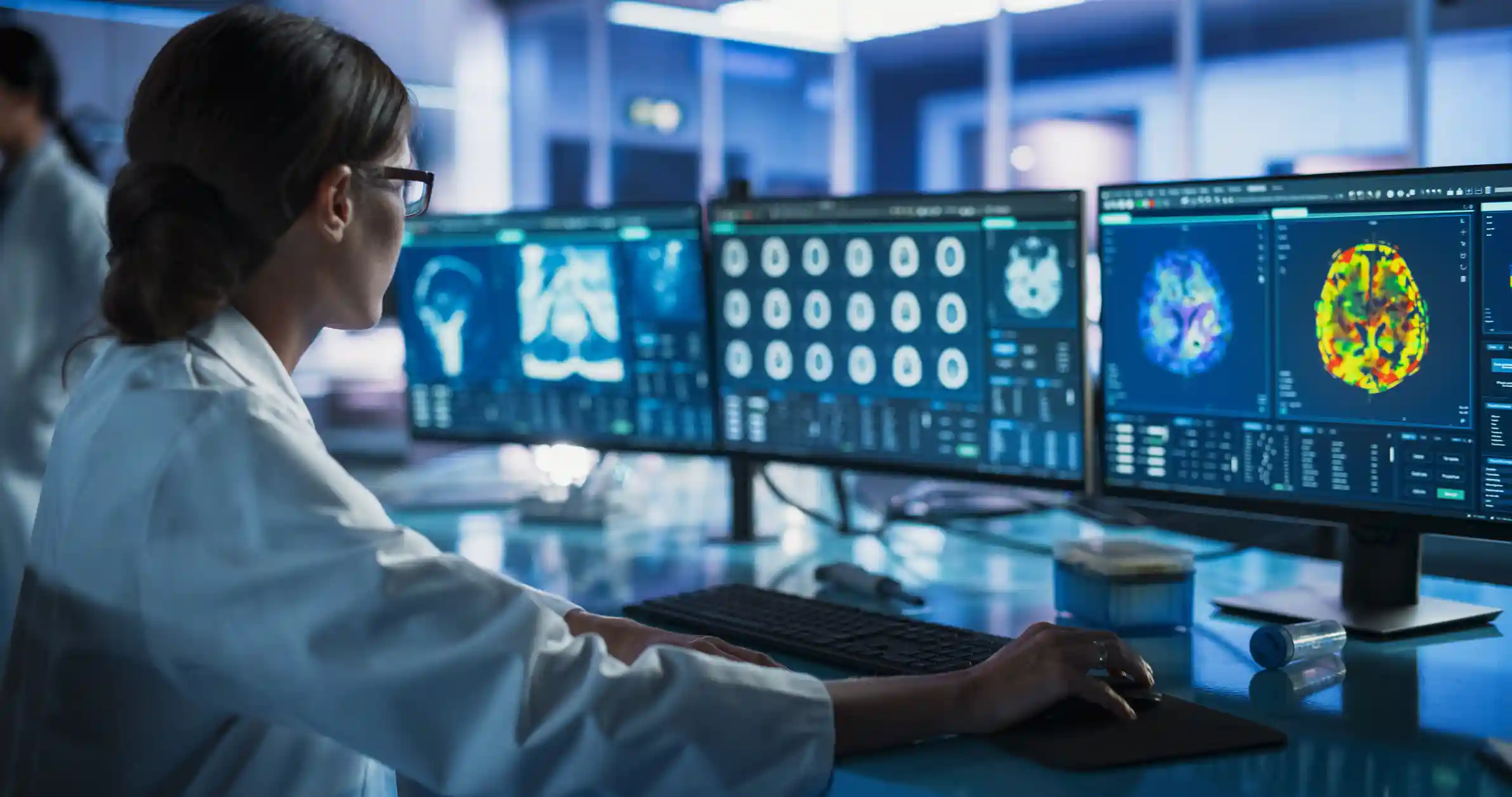
Psychedelics can create profound mental shifts, but their impact on the nervous system indicates physiological effects too. An emerging body of scholarship on psychedelics tests potential benefits for neurological and physical health conditions.
Ketamine Therapy
Ketamine is a dissociative anaesthetic, first synthesized in 1962. Since its inception, ketamine has been tested for a wide variety of uses in both human and veterinary medicine, which is why it’s sometimes jokingly referred to as “horse tranquilizer”. It can be used as an anaesthetic during surgery, but its unique pharmacological properties also lend well to the treatment of psychiatric disorders.
In 2000, studies found that ketamine infusion therapy can provide quick relief from treatment resistant depression, meaning symptoms that can’t be alleviated by traditional drugs like SSRIs. Since 2019, ketamine has been approved in the US, Canada, and Europe as a treatment for depression. The benefits of treatment can last several weeks, and while patients may need maintenance treatments over time, ketamine therapy provides significant, often life-saving relief. Researchers are currently testing ketamine’s effectiveness for conditions like PTSD and bipolar disorder, so we may see more clinical applications in the future.
Psilocybin Therapy
Much of the research on psychedelic medicine is about psilocybin, which is found in mushrooms like Psilocybe cubensis. Though Psilocybin hasn’t been officially approved across the country, psilocybin therapy regimens are imminent in several states. Magic mushrooms can help with the acceptance of terminal illness, and catalyze profound shifts in mindset, helping people confront painful memories and patterns associated with conditions like depression and PTSD. More recent literature explores psilocybin’s potential to treat alcohol addiction, OCD, and anorexia by helping people work through complex compulsions and self image issues.
Research is also uncovering how psilocybin can help address physical health issues from long covid, to weight loss. By acting on receptor 5-HT2A, psilocybin may reduce food cravings, but preliminary research has also found that it can also target 5-HT2B, which impacts insulin resistance and fatty liver.
MDMA Therapy
MDMA is another major player in psychedelic clinical research. The compound was originally synthesized in the early twentieth century and saw a surge in popularity in the 1970’s due to the work of chemist Alexander Shulgin. Sometimes called “Ecstasy”, MDMA creates a sense of unity, openness, and euphoria, which can be profoundly helpful.
Though it is a schedule 1 substance, not yet approved for any medical use, MDMA’s potential to help PTSD was one of the most high profile psychedelic medicine discussions in the last few years. We’ll discuss the specifics of this case later, but this study found MDMA to be transformative, with many participants not even meeting the clinical definition for PTSD after completing the trial.
MDMA is profoundly helpful for facilitating the communication and emotional vulnerability needed for healing from complex conditions like PTSD. Once MDMA therapy is approved for PTSD treatment, it’s likely we will find many more clinical applications for it owing to these transformative properties.
LSD Therapy
LSD is a synthetic compound, first synthesized by Albert Hoffman in 1938. LSD demonstrates similar benefits to other psychedelics, and some of the most inventive psychedelic research is dedicated to its unique applications. Preliminary research is currently testing LSD therapy as a preventative for migraine and other headaches. MindBio Therapeutics Corp. is conducting a study on the effects of LSD with menstruation and PMDD (Premenstrual dysphoric disorder).
Current LSD trials provide interesting examples of the intersection between scientific studies and ‘grey literature’, that is, data about how people self medicate. The information that inspired research on migraine and menstruation comes from grey literature publications documenting reports from individuals with personal experience on the subject. Thus, even the way people self-medicate can influence the initial research questions behind new studies.
Ibogaine Therapy
Recent trials of another psychedelic called Ibogaine are promising for helping with substance use disorders and other mental health issues. Ibogaine can be synthesized commercially, but its plant-derived version has a long history of traditional use. While trace amounts of ibogaine can be found in several plants, the compound comes from the root bark of a plant called Tabernanthe iboga.
Like other psychedelics, ibogaine can produce major shifts in perspective that help with trauma and persistent mental health issues, but it can also reduce cravings and withdrawal symptoms. The results so far are promising, especially given the opioid epidemic in the US. Several countries have made ibogaine therapy accessible. In the US, Texas has allocated $50 million towards clinical trials, with a focus on veterans and PTSD treatment. States like Arizona and Washington aren’t far behind in establishing funding and regulatory frameworks for the study of ibogaine in the near future.
Microdosing: a Promising New Method
Early psychedelic studies attempted to test the impact of large doses of psychedelics, finding that just one or a few intense trips, in controlled therapeutic settings, can have lasting effects on mental health issues. A growing body of literature finds that people use psychedelics differently in their day to day, to help manage their quality of life and mental health issues.
Anecdotal reports attribute microdosing, i.e. taking a very small, subperceptual amount of psychedelics like magic mushrooms, to relief from chronic conditions, and mental health issues. Microdosing for depression and anxiety has become more popular, but growing trends in productivity and self optimization have played a similar role in its newfound prevalence. In recent years, more studies are coming out to explore the medical potential of this well-documented anecdotal phenomenon.
The aforementioned LSD study for menstruation and PMDD is one such example. In this study, researchers are testing whether a near subperceptual dose of LSD may help with menstrual symptoms. Even without noticeable effects, LSD may work on the nervous system to help ease mood issues during sensitive times in the menstrual cycle. More research is needed to uncover all the potential applications of microdosing.
The Changing Landscape of Psychedelic Studies
The optimistic period of the early psychedelic renaissance set expectations high. A cursory online search for psychedelic assisted therapy today yields somewhat disappointing results. While the research out there is promising, it’s sparser than many of us were expecting, and more populated by secondary literature. It appears that risk assessments, deliberations on best practices, literature reviews, discussions about potential challenges, and ponderings on future directions for psychedelic research vastly outnumber the primary literature. We’ve also seen an increase in social science research to clarify whether certain research cohorts are willing to try psychedelic therapy, or whether they already self medicate with psychedelics through practices like microdosing.
Front of mind in these articles is that the psychedelic renaissance is upon us, which seemingly necessitates decades of pondering, but relatively little clinical research. If we want to understand the landscape of psychedelic medicine, it’s crucial to understand why the research looks this way.
Why is Medical Science so Slow?
Everyone wants to see psychedelic medicine move quickly, but scientific research is an extremely slow process. Good studies are dedicated to ascertaining information on an extremely specialized topic. Very little can be extrapolated from an individual study, and no inquiry is spared from thorough investigation because the answer is common sense.
The slow progress we see with psychedelic research is a necessary feature of the scientific process, and if you have any amount of medical distrust, you’ll be glad there are guardrails on the pharmaceutical industry. We don’t need to go far back in history to recall the consequences of overzealous medical research before such standards existed. The thalidomide trials of the 1950’s are just one example of the tragic effects of moving too quickly in medical science. Frustrating as it may be, the necessary slowness of medical science is in the public interest, because mixing medicine with profiteering can be dangerous.
Unfortunately being hindered by decades of lost time and stigma, there’s a lot to catch up on. Even with a few decades of optimism, most research still investigates the basics of how psychedelics work. Navigating the academy is a painstakingly slow process, and researchers are constantly tested by the complex interdisciplinary landscape of psychedelic research, from ethical and social questions, to neurological ones. Even groundbreaking and critical steps for psychedelic research might not seem too exciting or headline worthy, because this research really just moves that slow sometimes.
While it may seem silly to apply the same caution to organic substances like psilocybin, which have been used since time immemorial, science cannot progress any faster on the basis of common sense: it can only progress on the basis of thorough and rigorous inquiry. Sometimes, even after such rigorous inquiry, pervasive stigma continues to stand in the way of progress.
The Case of MDMA
Even for the most well researched cases for psychedelic medicine, progress isn’t linear. In 2017, Lykos Therapeutics, a corporation tied to the Multidisciplinary Association for Psychedelic Studies (MAPS), was granted a breakthrough therapy designation for the treatment of PTSD. Breakthrough therapy designation is an FDA program designed for drugs that show great promise for addressing a serious, previously unmet medical need. The breakthrough designation is only provided for drugs that already demonstrate efficacy, and essentially helps get through some of the red tape associated with patenting a new drug in hopes that people suffering from a serious disease can be helped quickly.
Lykos, and those in the psychedelic space, were confident the FDA would rule in their favor. This was supposed to be a slam dunk, and a historic win for psychedelic therapy, but the FDA ended up rejecting the proposal. All the buzz and optimism mounting in the psychedelic community made it all the more crushing when the FDA ultimately rejected the application due to efficacy and safety-related concerns in August of 2023. This rejection is instructive for the future of psychedelics both on a financial level, and on a cultural and rhetorical one.
Clinical Research Economics
The case of MDMA was a teachable moment about the ongoing tension between legality and profitability for the space of psychedelic therapy. This example also provides us with an opportunity to explore exactly what companies are able to patent when they do psychedelic research.
Most research companies find their niche in studying the safety, efficacy, and potential applications of compounds that exist in nature. Others go an entirely different route by synthesizing new compounds, which often mimic the effects of natural psychedelics. Companies race to acquire a patent on newly synthesized compounds, or specific treatment regimens using a known compound.
The Cost of FDA Approval
The burden of proof rests on the psychedelic research company to demonstrate safety and efficacy to the FDA. Companies pour an unimaginable amount of resources into clinical research to this end. One company called Compass Pathways, developed and patented their own synthetic form of psilocybin, COMP360, which cost $119 million in 2024 alone. Compass Pathways researches clinical applications for their own novel compound in the hopes that this will have a use in a clinical setting. While Compass Pathways isn’t currently profitable, some argue that the best is yet to come for their organization, with big things lined up for FDA approval later in 2026.
Lykos Therapeutics raised over $140 million for their MDMA therapy trial alone. When their proposal to the FDA was rejected in 2023, it was an expensive loss. Recovery will take years, not just for them, but for the entire psychedelic movement. Lykos’ application with the FDA serves a cautionary tale to companies hoping to do similar projects. FDA rejection is a huge financial risk, but even once medical psychedelics make it through the FDA, that risk isn’t over.
Psychedelic Market Profitability
 Even once a compound or regimen is approved, this is no guarantee that companies will profit, or even break even on their investment. While the market for psilocybin products is projected to grow precipitously, there are inherent limits to their profitability since they grow in nature and can’t themselves be patented. The only reason Compass Pathways had to create a synthetic version of psilocybin is because you can’t really patent a natural compound, and thus there are limits to the profitability of magic mushrooms. COMP360’s organic analogue, psilocybin, grows naturally in fields and cow patties around the world. Similarly, MDMA can be purchased as a street drug for a miniscule fraction of its modeled cost in a medical setting. Thus, these treatments can only reach a limited number of people at their price point, and it’s still up for debate whether the projects will be profitable.
These combined factors create a deterrent effect for companies hoping to work on psychedelic medicine. Even non-profits and public institutions working on psychedelic research face financial constraints, which are forced to contend with these financial factors as they rely on donors to continue their work. One huge variable in this financial support is public opinion and lobbying efforts.
MDMA Rejection: The Result of Public Opinion?
The outcome of the MDMA trial was unexpected given that these trials were rigorous and demonstrated MDMA’s effectiveness as a groundbreaking treatment. Still, the FDA’s safety and efficacy concerns made sense when I first read about them. I was interested in MDMA’s therapeutic potential, which these trials indicated, but it seemed reasonable if more research was needed to conclude that MDMA was safe. Though the trial was rigorous and its results promising, there’s always more to learn.
The more I looked into it, the more the FDA’s criticisms about the Lykos trials started to fall apart. Lobbying, rather than scientific facts played a major role in the outcome for MDMA. Much of this public opinion turned out to be astroturfed support for anti-MDMA messaging.
Clinical Issues Raised About MDMA Therapy
The FDA cited several key issues with the Lykos Therapeutics MDMA study. First, they were concerned that the trials didn’t adequately account for safety concerns, including abuse potential, and negative side effects. Researchers neglected to report the euphoria associated with the drug, which meant the study failed to consider the potential to become addicted to the drug as a result of treatment. It’s hard to believe this, because the low abuse potential of MDMA is well established.

The efficacy of MDMA as a treatment was also called into question. Apparently, the trial did not sufficiently establish the duration of the effects beyond an 18-month period. The FDA requested more rigorous follow up assessments to show the long-term effects of a patient’s MDMA therapy experience. The study also recruited from populations that had already used MDMA, so prior experiences potentially clouded their therapeutic experience. Past experiences, along with the obvious effects of the drug led to a sort of “functional unblinding” wherein participants were able to recognize right away whether they received the drug or the placebo.
Functional unblinding is a challenge for research on all psychoactive substances. Doing double blind trials on psychoactive drugs is a little bit like a jury trial for a famous criminal case. While you want your jury to be as unbiased as possible, it’s impossible to find a jury who has never heard of the case. You can try to remove as much bias as possible, but to establish a fair verdict, you have to do your best to establish information solely on evidence. This is why hard facts and diagnostic criteria such as those of PTSD are important for psychedelic clinical trials.
Conservative estimates suggest that 67% of patients no longer met the criteria for PTSD after completing the MDMA trial. These criteria are not just self-reported feelings, but measurable, diagnosable responses, significantly minimized by treatment. When we listen to hard facts, the case for MDMA is clear, and any potential effects of functional unblinding matter a lot less.
Lobbying Efforts During MDMA Deliberations
The FDA verdict for MDMA easily could have gone the other way, even when accounting for the trial’s flaws. The outcome for MDMA was not the result of even-handed consideration, but was actually swayed by unyielding pressure from lobbyists. Throughout the hearings, nonprofit groups and lobbyists stressed gaps in the research, even those that had reasonable explanations. Some pointed out that certain safety tests were missing when they had in fact been simply outsourced to third parties. Others brought up historical cases of abuse in MDMA clinical trials that had nothing to do with the trial in question.
Relentless pressure from these interest groups effectively poisoned the well for FDA officials deliberating this case. The FDA granted this treatment breakthrough status, which showed an attempt at open-mindedness. Still, MDMA was a delicate issue for the orthodox crowd in charge at the FDA, and it didn’t take much to revert back to common myths about MDMA’s danger.
After Lykos Therapeutics’ application to the FDA was rejected, they began working on another phase 3 trial to address the FDA”s concerns. Still, the rejection was a major blow, and the morale and tone around the psychedelic renaissance generally seemed to shift. While things continued to move forward, the buoyancy and idealism in the movement was lost. This rejection forced the entire psychedelic community to confront potential internal strife within the political movement.
‘Friendly Fire’ in the Psychedelic Medicine World
The FDA ruling on MDMA is at least in part, due to ‘friendly fire’ within the pro-psychedelic movement. Some people think the FDA rejection was a sort of conspiracy. The tireless work of anti-MDMA lobbyists during the FDA hearings is on record, but there is some debate as to the origins and ulterior motives of these lobbying efforts.
Many of the anti-MDMA lobbyists explicitly claimed to be part of the pro-psychedelic movement. Purportedly acting as allies of the psychedelic community, just wanting to hold psychedelic therapy to the highest possible standards of safety and equity, the lobbyists argued that Lykos’ proposal should be rejected.
The onslaught of internal criticism was so vicious that it destroyed a historic win for the psychedelic movement, which basically constitutes sabotage. While internal criticism is often valid and even necessary, it cannot be allowed to prevent real change from taking place. Destroying the political momentum of any tentative models for legalization, even extremely limited ones, is a disservice to the movement as a whole.
Internal Debates Within the Psychedelic Movement
Most concerns about psychedelic therapy models revolve around equity and access. These criticisms don’t fearmonger about the effects of drugs like your typical anti-drug propaganda, but argue that the use of psychoactives is fraught moral territory because of those who are potentially left out. The medical framing of these substances moves them from the realm of “illegal” to that of the culturally appropriated, gatekept, financialized, and over-regulated.
As I touched on in my previous article on Washington’s psilocybin therapy bill from 2025, even avid supporters of the psychedelics movement are sometimes critical of the medical framework for psychedelics for these reasons. While mushroom therapy could make psilocybin legal in specific therapeutic contexts for those who can afford treatment, it excludes the practices of indigenous groups, and those who self-medicate with psilocybin. The costs alone raise concerns about the accessibility of a medicalized psilocybin program. As such, some activists reject programs like psilocybin therapy outright, arguing that full decriminalization is the only way forward.
Others have raised broader structural and even spiritual concerns about psychedelics being used for profit by big pharma or taken over by the most privileged people in society. Psychedelic medicine attempts to encapsulate the psychedelic experience, and all of its mysterious and spiritual value into something knowable and quantifiable, all while placing it behind a paywall.
Critics of psychedelic therapy have raised concerns about the “gentrification of consciousness,” arguing that capitalist frameworks for the use of magic mushrooms enact new harms on communities who have established traditions with these substances. The implicit claim is that patenting and medicalizing psychedelics leaves people behind, which is worse than the model of psychedelic criminalization we have now.
The Consequences of Infighting
Legitimate equity and access issues are often manipulated to skew public opinion and legal outcomes about psychedelics. While these real issues should be taken into account, they can also cause us to lose sight of the bigger picture.
As many scholars like Hamilton Morris have pointed out, these concerns about equity are rather a moot point in our current landscape, because psychedelics are listed as Schedule 1 substances. While critics imagine that medical psychedelics will damage traditional medicinal practices, the current legal landscape already harms these communities, because their practices are federally illegal. Dwelling on these questions and arguing against psychedelic medicine can have the unintended effect of stalling progress and maintaining the status quo. The medicalization of psychedelics would necessitate their rescheduling, opening up the legal landscape for more relaxed laws in the future.
There’s growing evidence that interest groups deploy social justice rhetoric disingenuously, to further their own agendas, even doing things as petty as undercutting market competitors in the space. Some people are suspicious that this took place with the MDMA trials in 2023.
Decades ago during the War on Drugs, we had moral panics, fearmongering curriculum, and myths about the danger of drugs to justify harsh anti-psychedelic legislation. Today, we’ve outgrown most of this stigma, but concerns around social justice mirror the same scare tactics, and end up doing the same work to make sure that drug policy doesn’t move forward. Questions about social justice within psychedelics can be really confusing for people with good intentions, so this trend is something to be aware of in these ongoing debates.
The Future of Psychedelic Therapy
In recent years, progress in the field of psychedelic research has slowed. The effects of the FDA’s ruling on MDMA were far reaching; it may take some time for psychedelic trials to recuperate from the damage. With an uncertain financial future, and moral panics about the safety and ethics of psychedelics, it’s still an uphill battle. Yet in all likelihood, this short moment of stagnation will be viewed as just a blip in a long upward trajectory.The work of the psychedelic community in recent years has planted seeds of progress that we will see for years to come.
Ketamine’s recent legalization provides a helpful example for what we may expect for treatments like psilocybin therapy and MDMA therapy in the future. Ketamine infusion therapy was approved as a depression treatment in 2019 after trials beginning in the 2000s. It took decades, and a huge body of literature, to see these results.
Similar legislation will soon be a reality for other substances. In 2021, the National Institutes of Health (NIH) awarded Johns Hopkins close to $4 million for a large psilocybin therapy trial, which was the first instance of federal funding for psychedelic treatment in decades. States like Colorado and Oregon, which recently decriminalized magic mushrooms, are just beginning to implement their programs for psychedelic healing centers. As these centers get up and running and iron out their protocols, it will provide even more data to influence progress across the country. As we start to see trials with higher numbers of participants, we’ll know we are getting closer. The research taking place now, a lot of which receives state and federal funding, will create change over time, as long as citizens continue to rally for the cause.
It’s crucial for citizens to continue to speak out at the state level in support of psychedelics initiatives. The central focus of this advocacy should be about progress over perfection. Legalized psychedelic medicine is just the first step to broader legalization, but it’s a crucial step toward loosened restrictions across the board. With focus and patience, we’ll see more approvals and programs that get us closer to where we want to be.