“Most men and women lead lives at the worst so painful, at the best so monotonous, poor and limited that the urge to escape, the longing to transcend themselves if only for a few moments, is and has always been one of the principal appetites of the soul.”
-Aldous Huxley in The Doors of Perception
There’s something unusual unfolding in a pristine, Pacific Northwest rainforest: a guided mushroom trip. A large gazebo which typically accommodates weddings and family reunions, has been transformed into a sacred space for a small cohort, eager to transcend, to escape the pain and monotony. The participants sit cross-legged as a healer administers psychedelic mushroom tea. Gentle acoustic guitar and incense smoke fill the crisp forest air. The participants lie back onto floor mats as the meditative, psychedelic experience unfolds.
Less than a week ago, all these people were strangers, but over the course of a few days, they’ve shared in the vulnerability and contemplation of several psychedelic sessions. Though each participant had their own reasons for attending the psilocybin retreat, their collective journey brought them together, providing a safe space to work through individual issues and spiritual questions.
Transformational travel experiences like this are in vogue as both international and domestic tourism experiences. Typically, retreats administer substances like Ayahuasca and psilocybe cubensis mushrooms in a ritualized, multi-day experience designed to promote introspection and reflection. Many draw inspiration from the rich history of global shamanic traditions. Their claims to this lineage can attract executives and senior management professionals who ‘have it all’ yet still feel they lack a deeper, more ‘authentic’ sense of meaning in their lives. This craving for experiential spirituality carries economic and cultural consequences for all involved, potentially changing the nature of shamanism itself through commodification and cultural exchange.
What happens at a psychedelic retreat?
Attendees have to step away from their typical routine to participate in a retreat, whether it’s a short drive or a plane ride away. The accommodations can range from unpretentious to Gwyneth Paltrow style luxury, and the contents of the retreats themselves are equally varied.
The typical psychedelic retreat is structured similarly to programs like wellness and meditation retreats and participants are often driven by similar motivations. Mental health struggles, the loss of a loved one, or general soul searching about the mundanity of one’s life can lead people to try psilocybin retreat or a similar guided psychedelic experience. The retreat includes a preparation stage, wherein participants set intentions and get into the right frame of mind. Then comes the psychedelic experience itself. Guided by experts like shamans, witches, or healers, an altered state of consciousness helps participants rethink old patterns or even have spiritual awakenings. There may be several psychedelic trips throughout the retreat, followed by an integration period, which helps attendees process the experience. When all of these steps are executed correctly, many people find these retreats immensely beneficial.
The benefits of transformational travel
In recent years, public opinion has shifted to recognize the benefits of substances like psilocybin. While most media coverage centers psychedelic therapy treatments in a clinical setting, retreats are a different form of supervised psychedelic treatment that some people find helpful.
Some people have no clear preference for one modality over another, but opt for retreats because of their accessibility, or perceived safety. Because of legal restrictions, many people may not want to grow psychedelics with mushroom spores, or figure out a different way to access them, so they enroll in a retreat. Other people want a more approachable or guided setting to feel safe exploring psychedelics.
A retreat’s setting can also produce benefits beyond the psychedelic experience alone. The retreat may take place in a pristine part of nature, or provide a sense of immersion into a different culture. Though this perception can be politically fraught, participants may reflect on cultural differences as transformative aspects of their experience. The retreat is also necessarily a group experience; the vulnerability produced in a group dynamic also has profound effects on participants. In other words, these retreats aren’t just an easy way to do psychedelics, but participants often seek something unique about the retreat experience.
Potential risks with psychedelic retreats
While retreats can be transformative and beneficial, adverse experiences can also occur. Because psychedelic substances may be illegal where the retreat is taking place, attendees rely on the integrity of the provider rather than any established regulatory frameworks. While it’s important to be vigilant to the outright scams in the industry, many issues come from well-intentioned organizations that lack proper training or fail to set expectations. 
One common pitfall comes from the misconception that more psychedelics will result in a better or more transformative experience. Attendees often go into a retreat expecting to trip on heroic doses, or to trip as many times as possible. Sometimes the businesses running retreats succumb to the expectations of customers, some of whom are only in it for the psychedelics. The reality with these powerful substances is that sometimes less is more. When participants receive high doses they are underprepared for, it can often do more harm than good.
Combinations of substances are also common. Participants may receive a combination of Psilocybin and MDMA, or receive several doses of psilocybin followed by 5-MeO-DMT. These methods aren’t necessarily wrong but they are relatively new, and can easily produce an overwhelming experience.
Focus on preparation and integration are essential, and just as important as the psychedelic experience itself. Retreats shouldn’t operate based on the model of providing high doses of psychedelics, then sending everyone home with little reflection. Locals in the contexts where substances like Ayahuasca are traditionally used may have an easier time integrating their experiences back into regular life, because their social norms and routines provide a framework to grapple with those feelings. Conversely, an American investment banker may have a profound psychedelic experience, but their awakening becomes distorted or disturbed when they immediately go back to their regular habits, which provide no cultural understanding to match.
A healthy integration period is not about replicating the exact meaning and healing that a Peruvian shamanic experience would carry for someone who grew up in that context. It’s arguably impossible to do so, and participants should instead consider how to make meaning in their own lives. The correct approach involves creating a space for participants to sit with their feelings and process their experience, and could even involve long-term support such as virtual check-ins, months down the road.
The role of cultural exchange in ayahuasca ceremonies
Because psychedelic retreats involve controlled substances, participants sometimes travel overseas to areas where the substances are legal which can heighten emotions and raise the stakes. It’s hard to blame someone for seeking a personal, internal journey played out through a literal one, an escape from real life, or even a surrender to cultural differences. Potentially more fraught are the expectations of the target clientele–defense contracting officers or AI systems coordinators, whose corporate roles leave them searching for cultural novelty–to tap into something ancient, sacred and truly authentic as an antidote to their mundane and soulless lives. 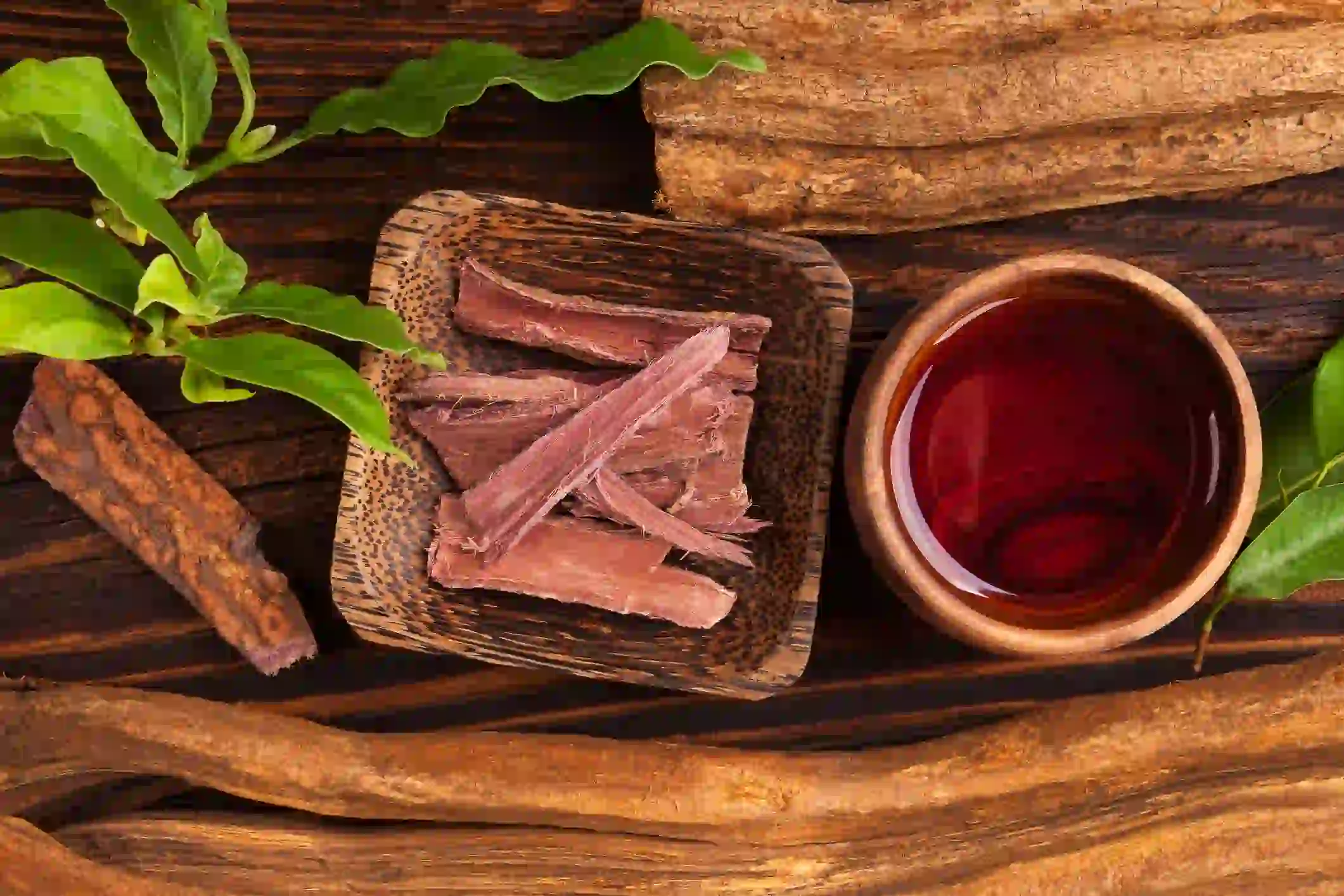
Ayahuasca retreats typically take place in Peru, Colombia, and other countries in the Amazon basin where its requisite plants grow natively. The Shipibo, an indigenous group in Peru, have one of the most established ayahuasca ceremony traditions. Many retreat goers are attracted to this history on some level, seeing the ancient Ayahuasca tradition of the Shipibo as a potential antidote to modernity, materialism, and alienation.
It doesn’t take an anthropologist to see the potential flaws like cultural appropriation and noble savage tropes here. There’s ample research out there about the deeply exploitative and neocolonial undercurrents of tourist experiences of all kinds, which often commodify and destroy local cultures. One fascinating ethnography on the subject that goes beyond the obvious is Fotiou’s Shamanic Tourism in the Peruvian Lowlands: Critical and Ethical Considerations, which urges readers to understand that the local impacts of ayahuasca tourism are far more complicated than one sided cultural extraction of ancient tradition. Fotiou argues that Peruvian ayahuasca shamanism has evolved and adapted to economic changes and urbanization. There’s no such thing as an ‘authentic’ and ‘unchanged’ shamanic practice, because there are no static cultures. The shamanistic practices of today are necessarily in conversation with globalization and real events. Thus, the ancient and authentic experience tourists expect may be unrealistic.
Peruvians working in these relatively new tourism economies may feel compelled to play up certain cultural motifs to satisfy their clientele’s urge for otherness. Interestingly, the tourism economy around ayahuasca has actually strengthened shamanic traditions in some forms. When there’s no money to be made in shamanism, it disincentivises the succession of knowledge, but with tourism in the picture, a certain form of shamanism becomes profitable. These new economic incentives prioritize the type of shamanism that is palatable to western audiences and satisfies their cultural curiosities. Yet it is impossible to truly delineate what is authentic and what is a result of cultural adaptation, so retreats that play on these ideas can’t simply be considered a parody of classic traditions.
Authenticity in psychedelic tourism micro economies
In many cases, psychedelic tourism ceremonies mutually reinforce globalization and commercialization in the communities they take place in. New trends that put Indigenous knowledge in conversation with western mass marketing techniques make it hard to disentangle the agency and economic incentives of all involved. Even when points of exploitation and unequal exchange are obvious, it’s not easy to decide how to proceed.
The introduction of psychedelic tourism economies into new communities is exemplified by the famous case of Maria Sabina’s magic mushroom ceremonies: some of the first psilocybin retreats. After Sabina introduced magic mushrooms to Gordon Wasson, the influx of psychedelic tourism to the region and especially her village, Huatla de Jimenez, changed life for the residents forever.
The economic shift toward tourism presented a unique opportunity for income in the previously economically depressed region, but also harmed traditional ways of life by fundamentally changing the spiritual power of the mushroom ritual. Sabina herself admitted that the power of the magic mushroom was diminished after the commercialization of the ritual. There’s no consensus among the people living there about whether the economic advantages of the introduction of magic mushrooms to the West were worth the tradeoff.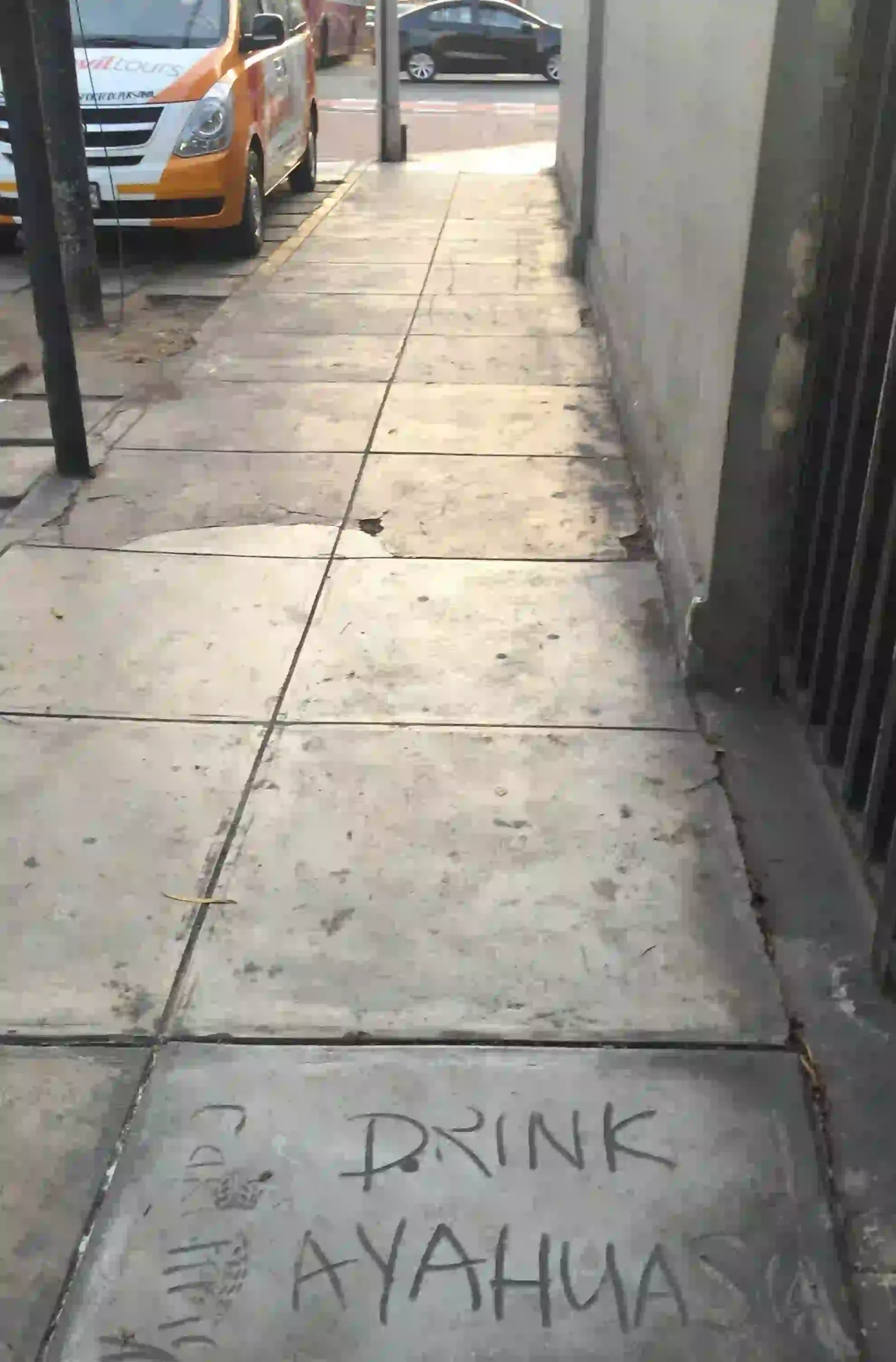
We can see a similar trajectory for Ayahuasca ceremonies in countries across the Amazon. Ayahuasca ceremonies have been a fixture of Latin American ecotourism packages since the 1980’s, but the industry really took off in the 2000’s. Part of the appeal behind these ayahuasca ceremonies is the perception that they are rural, secluded, ancient traditions. Fotiou argues that as a result of globalization and events like the rubber boom, present day iterations of ayahuasca shamanism emerged from urban areas and were transmitted back to rural areas where the tourism takes place. Because these ceremonies are dynamic and interact with the local circumstances, their exact character is actually the result of economic changes and urbanization. Today, the influx of interest and ayahuasca tourism has shaped the ritual too, just like other historical forces.
The popularity of these new psychedelic retreats unavoidably shapes the local economy, providing economic opportunity and potentially helping locals, but also creating economic dependence on the West. As such, shamanic practices can also become economically reliant on Western support, and even evolve over time to appeal to those interests. The ritual itself becomes intrinsically tied with the cultural exchange and urbanization necessitated by globalization. Despite the changes to psychedelic rituals that commercialization can present, the financial incentives provided by psychedelic tourism can also allow certain forms of psychedelic practices to become financially viable again among groups who might otherwise be forced to give up their way of life entirely, thus supporting the proliferation of these traditions for future generations. This form of tourism, despite harming traditional ways of life, may still be welcome because they are economically advantageous.
What’s the difference between a psychedelic retreat and psychedelic therapy?
The use of psychedelics in a retreat context can provide similar benefits to psychedelic therapy, addressing issues that span both the spiritual and the medical spheres. Many attendees find retreats to be immensely beneficial as part of an alternative healing plan.
Psychedelic retreats can be used to address issues that are traditionally treated in a clinical context. A recent segment of 60 Minutes followed the journey of American combat veterans who attended a psychedelic retreat involving two doses of psilocybin and one dose of 5-MeO-DMT. There is a growing body of literature around psychedelic therapy for PTSD, but the retreat setting provided an added benefit for the veterans because large group experience provided a sense of community bonding and healthy vulnerability.
While this treatment method is less well understood clinically, and isn’t considered strictly medical, there’s actually ample precedent for thinking of rituals as medical when we look outside of a Western medical context. Though it doesn’t always feel arbitrary, the line societies draw between the medical and the spiritual doesn’t exist the same way across all cultures. Ayahuasca ceremonies for example, would be considered medical in their original context. In fact, one major consideration in the ethics of ayahuasca tourism is that the movement of ayahuasca shamans toward tourism has created a gap in medical access for their communities, because they are no longer around to serve their original roles.
It’s worth considering whether, now that these shamans are working in a different context, their role can still be considered medical when working with Western audiences whose definitions of health may differ entirely. Though an ever dynamic practice, the original context of Ayahuasca shamanism was an ethos of community healing, in a society steeped in an ayahuasca tradition and thus having developed guardrails and cultural norms around dealing with the aftermath of working with the substance. Conversely, the Western context for ayahuasca use conceives of an individualized healing journey, wherein participants go back to the ‘real world’ after the brief experience is over. Thus, the entire journey may have a completely different effect when used in a different cultural context.
Appraising credibility in a quasi-medical context
Depending on their location, psychedelic retreats often involve illegal substances, which means there can’t be a regulatory framework that dictates standard procedures and safety like you’d expect with any other activity. The lack of a legal framework to evaluate psychedelic retreats can make it challenging to assess the authority or even safety of a psychedelic retreat or the people conducting it. Participants can sometimes fall victim to scams when deciding where to place their trust. Yet informal ways of assessing credibility, like word of mouth, can be immensely helpful in determining the integrity of the people holding the retreat.
While there’s no degree, certification, or official licensing procedure for psychedelic retreat practitioners, good retreats will still be led by someone who is deeply experienced, regardless of the specific modality they are trained in. Legitimate experience can range from training in Shipibo shamanism, to reiki and meditation. These healers may work as authority figures or healers in their own communities, and though this experience is legitimate, it’s left out of the mainstream medical system.
Because alternative forms of healing don’t conform with mainstream medicine, it would be challenging to imagine a regulatory framework that could encompass the wide range of traditions and modalities that utilize psychedelic sessions and retreats. In short, these practices are somewhat subjective. Charlatanism abounds in the retreat economy, because prospective participants don’t always know what to look for. Retreats with transparent practices and personnel, and clean online reputations can be a good place to start.
Psychedelic Retreats in the United States
While many of these retreats take place abroad, many people prefer to stay close to home due to time constraints, financial reasons, and ethical convictions. The psychedelic tourism landscape in the United States is growing to match an increased interest in psychedelics generally, which means there are countless modalities to choose from.
Many US-based retreats claim no particular cultural lineage or modality, but instead lean into the new-age ethos of intuitive, individualized sampling of spiritual practices. In the 1980s, some of the first retreats of their kind incorporated holotropic breathwork, or accelerated breathing patterns into the journey. Today, many include similar breathwork practices, as well as elements of psychotherapy, reiki, yoga, and meditation.
Alternatively, it’s increasingly common for shamans or psychedelic figures with international prestige to travel across the country and hold a number of retreats in different cities, allowing attendees to work with world-renowned healers closer to home. Not only does this method provide the authenticity people are seeking, it’s also arguably the most ethical solution. It allows these healers to share their knowledge widely and make money from their expertise, without tourism disrupting their communities, potentially upending their entire social structure.
Psychedelic Retreats in the United States- Legality though freedom of religion – are psychedelic retreats legal?
 While psychedelic retreats are typically illegal, and thus, unregulated, there are exceptions. Religious groups in the United States may hold psychedelic retreats for their members if they have a religious exemption from the Controlled Substances Act (CSA) under the Religious Freedom Restoration Act (RFRA). This act was passed in 1993, and has since protected a limited number of churches whose religious practices involve psychedelics like ayahuasca and peyote.
These religious ceremonies are often different from psychedelic retreats in key ways: participants must be active members of the church involved, and the use of psychedelics is limited to the religious ritual. In fact, churches that use psychedelics are faced with an immense burden of proof to demonstrate that their psychedelic use is sincere rather than a legal loophole.
Still, the religious retreat experience is common in faith traditions from Christianity to Buddhism, so in this case, the religious retreats involve psychedelics.
What is the future of psychedelic retreats?
The growing demand for psychedelic tourism and spirituality in all forms is easy to understand. Many people experience corporate life as alienating and disconnected from deeper sources of meaning, and psychedelic tourism can feel like the obvious answer. For attendees, retreats can be deeply therapeutic and provide at the very least, an individual spiritual journey. For the communities that originate psychedelic traditions, retreats can provide a welcome source of income to depressed areas and a financial incentive for the preservation of cultural traditions threatened by globalization. At their worst, they can distort sacred practices, and produce unequal economic relationships that primarily benefit outsiders. Practices that are decontextualized or repurposed for new audiences aren’t necessarily wrong or harmful, but create the need for ongoing dialogue with cultural leaders and Indigenous elders. While there may be no perfect solution, the perspectives of cultural leaders within psychedelic traditions, and a commitment to equal exchange should guide the movement for psychedelic retreats going forward.