Wondering how Psilocybe cubensis differ from Pan Cyan mushrooms? From their potency to their cultivation, learn what makes Panaeolus Cyanescens stand out.
Panaeolus cyanescens vs Psilocybe cubensis: What’s the Difference?
read more

Wondering how Psilocybe cubensis differ from Pan Cyan mushrooms? From their potency to their cultivation, learn what makes Panaeolus Cyanescens stand out.

InoculateTheWorld contributed spore samples to a recent study conducted by Medicinal Genomics that aimed to further the understanding of the genes associated with psilocybin production. By sequencing and comparing 81 spore samples from numerous psilocybin-producing...
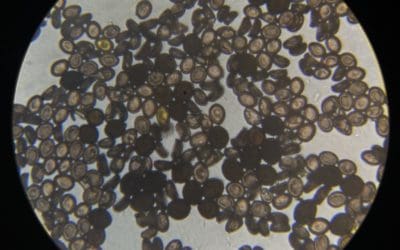
Interested in working with magic mushroom spores? Here's a comprehensive guide on everything you need to know about spores; from how to store spores to how to view them under a microscope.What are spores?Spores are the tiny reproductive cells of the fungi kingdom that...
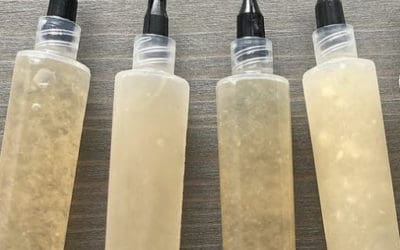
Spore Print vs Spore Swab vs Spore SyringeWhen working with mushroom spores and mycelium, there are many different ways in which they can be used and stored safely. In this brief article we go over the differences between three of these storage methods. Spore Print...
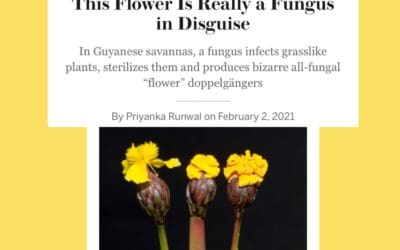
On a collection trip to Guyana in 2006, botanist Kenneth Wurdack was strolling along an airstrip at Kaieteur National Park when he noticed something unusual about the flowers on two species of yellow-eyed grasses. Unlike the species’ typical blooms, they were a more...

Fungi are everywhere—they grow in the soil, in petri dishes, and if we’re not careful, on the fruit in the back of the fridge. But did you know it can grow inside plants too? Yes, really! Of course, there are fungal pathogens, which can parasitize a plant, sometimes...
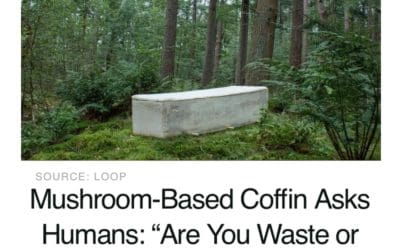
Wooden coffins? That trend is so dead. With a goal of making the human burial — and decomposition — process more environmentally-friendly, a company has invented the Living Cocoon, a coffin made from mushrooms that returns the deceased to the earth while enriching it....
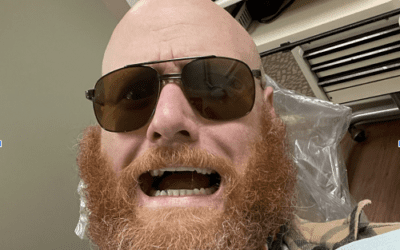
The dentist adjusts the set and setting of his drill. My teeth are numb but my body, mind and soul feel it all. I’ve eaten two grams of albino penis envy (APES) mushrooms, the fruit of spores once dormant, and I’m about to get fillings. Dentist calls me an interesting...

Secondary Metabolites, “MYC Piss Explained, by Seth Austin of ITW.NEWS. Mushrooms have their own metabolism, it is how they consume their substrate. Unlike plants that use photosynthesis, think of them as moving stomachs with the ability to respond to stimuli....

Mycoheterotrophic ParasitismBY: @C_Y_SPAMIn school, we’re taught that plants make their own food from carbon dioxide, water, and energy from the sun thanks to a green, sun-catching pigment called chlorophyll, right? While that’s entirely true for about 99% of plants,...