When we speak of this current moment, as psychedelics undergo an alleged “renaissance”, we often ignore a past that many people never learned. It’s a past in which psilocybin was a legitimate pharmaceutical, sold under a brand name and distributed by one of the world’s largest drug companies; when psilocybin mushrooms, grown from magic mushroom spores, were actively studied in hundreds of clinical trials across the United States, Canada, and Europe. Psychiatrists believed that they had stumbled upon a miracle sure of sorts–something that could reshape the treatment of alcoholism, depression, anxiety, and PTSD, and they had the data to back it up. That version of events lasted about twenty years. Then it was erased.
What followed was a legal crackdown and, even moreso, an episode of historical amnesia, a systematic disappearance of a body of research that had involved over a thousand published papers and roughly forty thousand patients. The scientists who had spent their careers building this field watched it get dismantled. The drugs they studied became symbols of disorder, of countercultural rebellion, of existential threat, and that symbolism proved far more powerful than the data.
Understanding what was lost requires going back to the beginning, to a mental hospital in Saskatchewan, and a vanguard British psychiatrist who decided to take a chance.
The Saskatchewan Experiments
In 1951, Humphry Osmond arrived in Canada. He was a British psychiatrist who had been working at St. George’s Hospital in London, where he had grown convinced, and professionally isolated, by his belief that schizophrenia was caused by a chemical imbalance in the brain. This was a wildly heterodox idea at the time, and his colleagues in London had little interest in it. He accepted a post as deputy director of psychiatry at the Weyburn Mental Hospital in Saskatchewan, a remote provincial facility with one advantage London lacked: research funding from the Canadian government and the Rockefeller Foundation, and relatively few people looking over his shoulder. 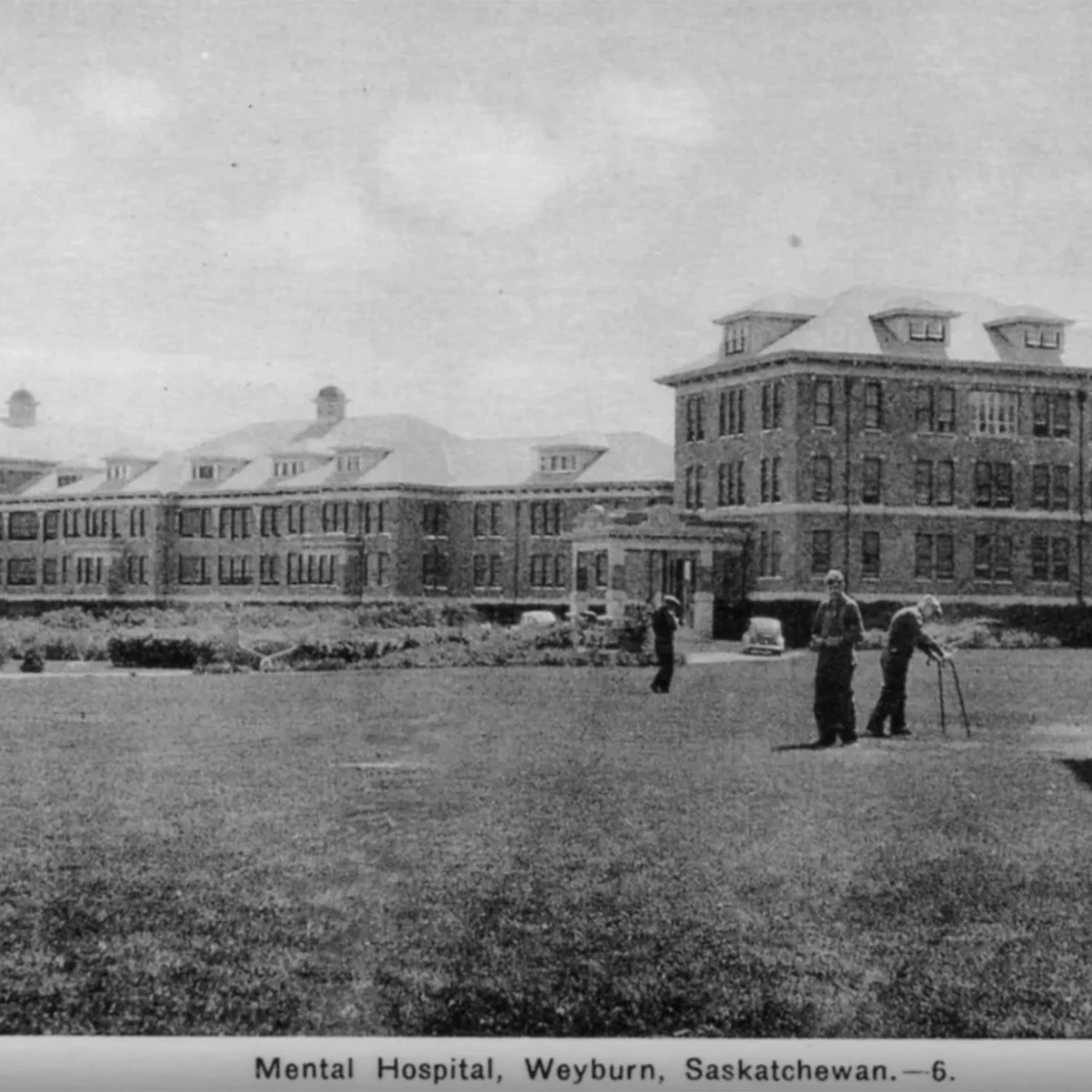
At Weyburn, Osmond began working with LSD and mescaline. His initial interest was in using them as “psychotomimetics”, tools for mimicking the effects of schizophrenia. The drugs produced states that looked, from the outside, remarkably like psychotic episodes, and Osmond believed that dosing himself and his staff could help them understand what their patients experienced. He was right about that, and the insight proved clinically valuable. But the more consequential discovery came almost by accident.
Osmond and his colleague Abram Hoffer began giving LSD to alcoholic patients who had tried and failed every other available treatment. The results were, by any standard, astounding. After a single high-dose session, often conducted over just a day or two, patients who had been considered hopeless were stopping drinking entirely. Many stayed sober. Osmond and Hoffer reported that between 40 and 45 percent of their patients given LSD had not returned to drinking after a year, a rate that compared favorably to anything psychiatry had to offer at the time, documented to include patients who had already failed the program at Alcoholics Anonymous. One of Osmond’s patients during this period was Bill W., the co-founder of AA himself, who sought out the therapy hoping to recapture a mystical state of consciousness he associated with his own earlier recovery.
By the early 1960s, Osmond and Hoffer had dosed over two thousand subjects in Saskatchewan. LSD therapy was, in the words of the British Psychological Society, “widely considered to be ‘the next big thing’ in psychiatry, which could supersede electroconvulsive therapy and psychosurgery.” In 1953, Osmond had invited the novelist Aldous Huxley to his California home and administered mescaline to him in what became one of the most famous drug experiences in literary history, the foundation of Huxley’s The Doors of Perception. It was in a letter to Huxley the following year that Osmond coined the word that would define an era: psychedelic, from the Greek for “mind-manifesting.” He offered it in a couplet: To fathom Hell or soar angelic, just take a pinch of psychedelic. The word was whimsical and full of mystery, but the science, increasingly, was not.
Psilocybin Enters the Picture
While Osmond and Hoffer were working in Saskatchewan, something equally significant was happening in the laboratories of Sandoz, a Swiss pharmaceutical company. In 1938, a chemist named Albert Hofmann had accidentally synthesized LSD. In 1943, he discovered what it did, famously cycling home from his laboratory after dosing himself and experiencing what he later described as a remarkable intoxication. Sandoz began distributing LSD to researchers under the brand name Delysid in 1947.
Then, in 1957, the American ethnomycologist R. Gordon Wasson published an article in Life magazine documenting his participation in a Mazatec mushroom ceremony in Mexico, an event that introduced psilocybin mushrooms to the Western popular imagination for the first time. Wasson’s encounter with Mazatec healer Maria Sabina would ultimately reshape the Western understanding of psilocybin mushrooms and spark a wave of psychedelic interest across Europe and the United States. Within a year, Hofmann had isolated the active compound from the magic mushrooms Wasson described, identifying and naming it psilocybin. In 1958, Sandoz began distributing it for psychiatric research under the brand name Indocybin, marketed alongside Delysid with similar intentions: as a tool for psychotherapy and a window into altered states of consciousness. 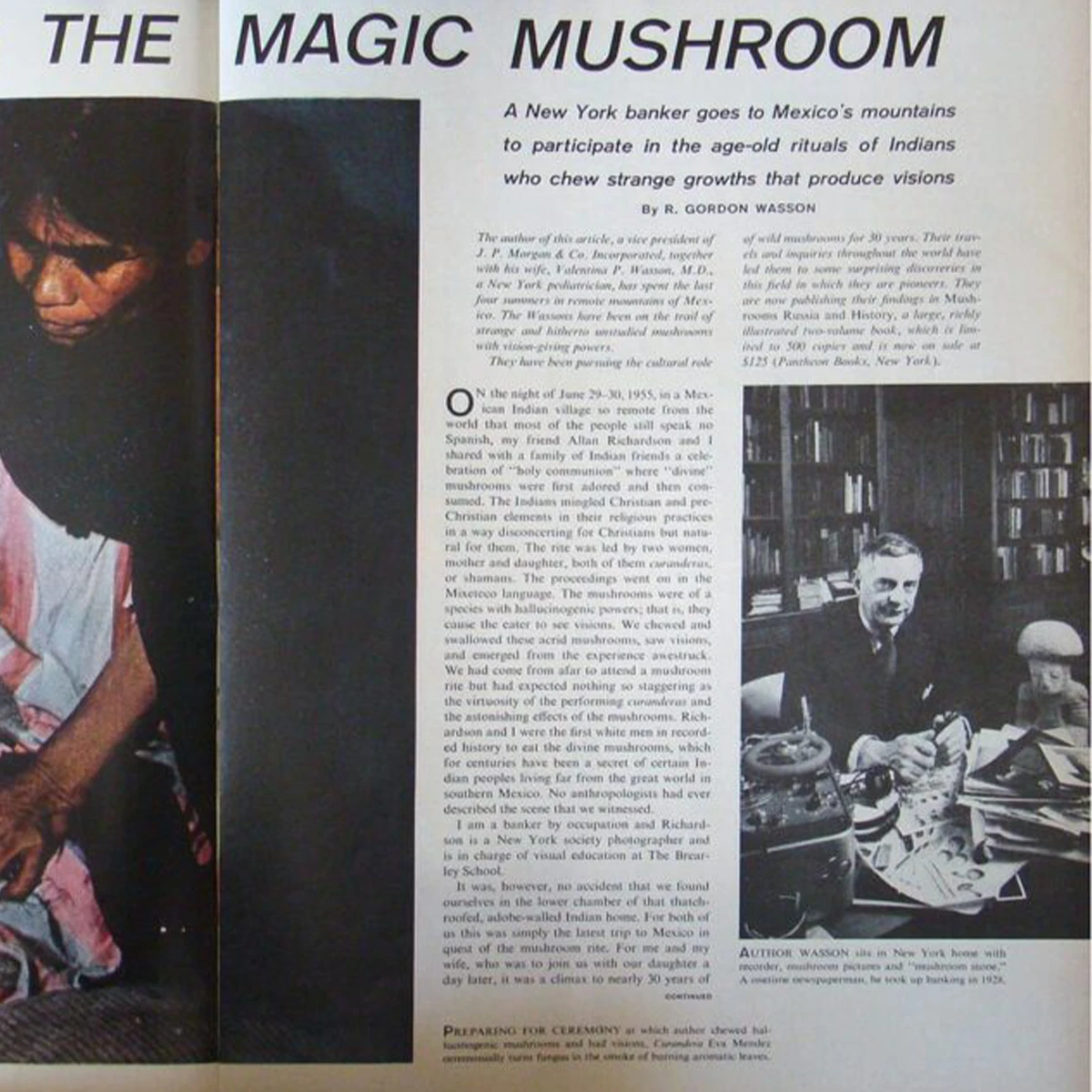
The floodgates opened. Through the late 1950s and into the 1960s, psilocybin joined LSD as a subject of serious clinical inquiry across the Western world. Researchers tested it on patients with depression, anxiety, obsessive-compulsive disorder, and what were then called “psychoneuroses,” clusters of non-psychotic psychiatric conditions that available medications handled poorly. The results, while methodologically uneven by modern standards, were consistently encouraging for conditions that psychiatry had long struggled to treat.
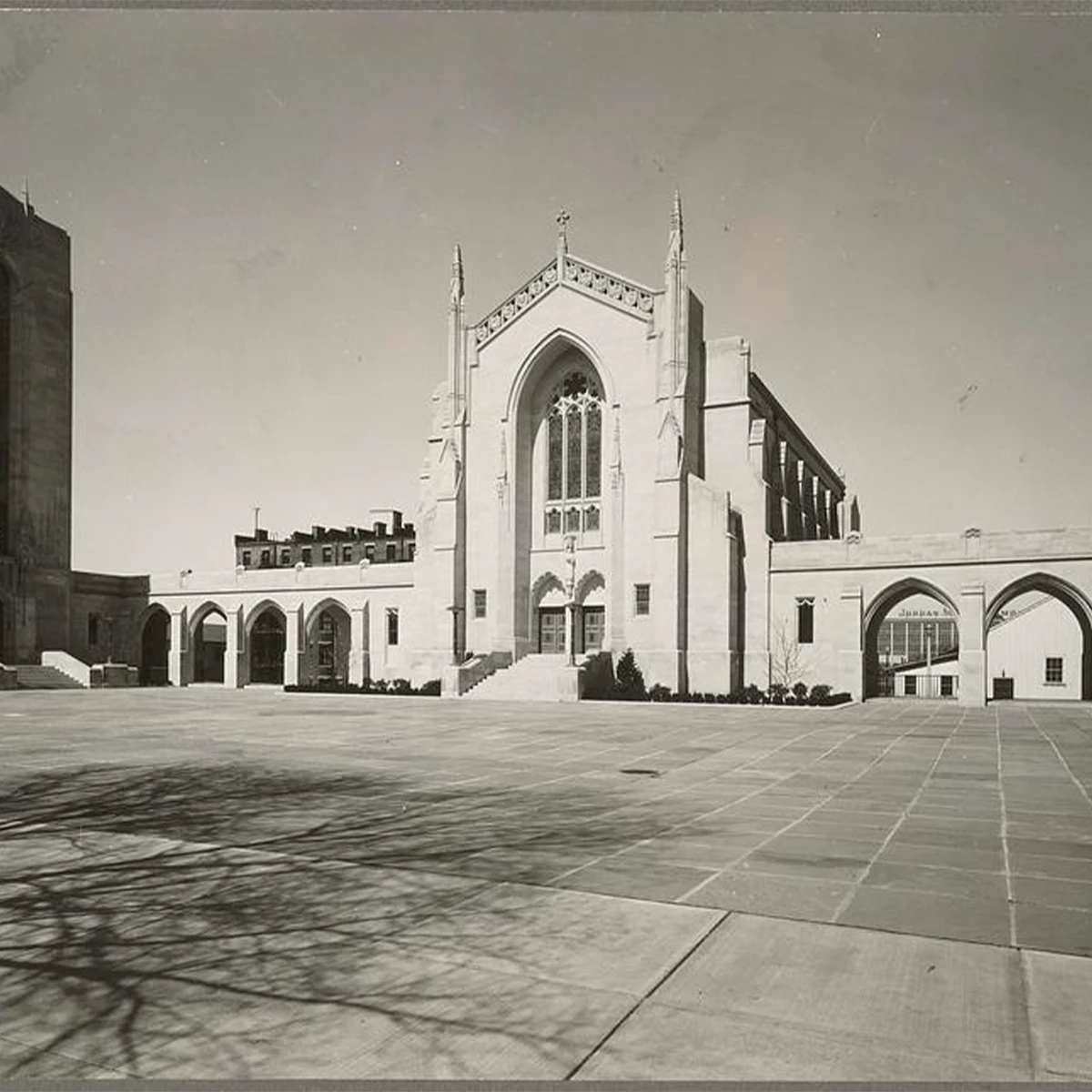
One of the most dramatic episodes of this era was the Good Friday Experiment of 1962, conducted by a Harvard divinity student and researcher named Walter Pahnke under the supervision of Timothy Leary. Twenty theology students received either psilocybin or a placebo in the basement of Marsh Chapel at Boston University, while a Good Friday service played over loudspeakers from above. Nine of the ten students who received psilocybin reported profound mystical experiences. In a follow-up conducted twenty-five years later, those same participants described the experience as among the most personally meaningful of their lives, and reported lasting positive changes in their attitudes and values.
The experiment had real flaws. The placebo, niacin, was not truly inert, and Leary’s oversight was chaotic by any reasonable modern standard. But its central finding, that psilocybin could reliably produce experiences of genuine and lasting subjective significance, would prove pivotal in the arc of psychedelic research.
The Scale of What Was Happening
The 1950s and 1960s psychedelic research era is often treated as a footnote, a strange blip before the countercultural explosion buried the science in scandal. The actual scale of this era is easy to underestimate, and often gets left out of the conversation.
Between 1950 and the mid-1960s, there were over a thousand clinical papers published examining the therapeutic effects of psychedelics, reporting on treatment of approximately forty thousand patients. Six international conferences were dedicated to the topic. Researchers studied psychedelics as treatments for alcoholism, depression, obsessive neurosis, conversion disorder (also known as hysteria), and the anxiety that accompanies a terminal cancer diagnosis. There were legitimate competing schools of thought about how to best use these compounds clinically: the “psychedelic” model, which favored high doses aimed at producing a peak mystical experience (the approach Osmond and Hoffer preferred), and the “psycholytic” model, which used lower, sub-hallucinogenic doses (what might even be termed “microdoses”) to assist conventional psychotherapy by loosening psychological defenses and facilitating introspection. European researchers tended to favor the latter; North Americans the former.
Cary Grant, one of the most beloved actors of his time, underwent more than 100 psychedelic therapy sessions and told a journalist in 1959 that he had found a way “to be born again.” The therapy was fashionable, yes, but it was also being studied seriously, in hospitals and universities, by researchers publishing results in peer-reviewed journals and presenting at scientific conferences.
Psilocybin’s specific therapeutic profile was becoming clearer to researchers who worked with it regularly. Compared to LSD, it was considered gentler, producing fewer anxiety reactions and cardiovascular effects, with a more predictable duration. It was particularly noted for the quality and consistency of the mystical-type experiences it produced, which seemed to correlate with positive therapeutic outcomes in ways that were hard to explain but hard to ignore.
The field was building, the science was happening, and the data was accumulating. Then, as quickly as it began, it was brought to a grinding, screeching halt.
How It Ended
The story of how psychedelic research died is inseparable from the story of Timothy Leary, though not quite in the way that’s usually told. Leary was a Harvard psychologist who believed, with almost evangelical conviction, that psilocybin mushrooms and LSD had the potential to transform human consciousness on a civilizational scale. He was right that these were remarkable compounds, but he was catastrophically wrong about how to make that case. Rather than publishing careful studies and working within institutional constraints, Leary began proselytizing. He gave psychedelics to students. He appeared on television. He coined slogans. He became the face of a movement that terrified the American establishment, not because the science was wrong, but because the cultural connotations had become impossible to separate from the research. In 1963, Harvard terminated Leary and his colleague Richard Alpert, later known as Ram Dass, for violating the terms of their research program.
While it’s tempting to scapegoat Leary and pin the death of this era of psychedelic research on him, his departure from Harvard did not kill psychedelic research on its own. It did, however, hand opponents of the field a symbol they would use for decades. The press, already primed to run frightening stories about young people losing their minds on LSD, found an inexhaustible supply of material. Hysterical scare-stories of bad trips, of accidental dosing, of people who had jumped from buildings believing they could fly, circulated and recirculated until the drugs and their dangers were inseparable in public consciousness. The science that contradicted this picture was more qualified, less legible to a newspaper headline, and so it went largely unread.
By the mid-1960s, several states had already moved to restrict LSD. In 1968, federal law began tightening. Then, on October 27, 1970, President Nixon signed the Controlled Substances Act into law. LSD, psilocybin, psilocin, DMT, and mescaline were placed in Schedule I, the most restrictive category, reserved for substances deemed to have a high potential for abuse and no accepted medical use. The classification, as legal scholars and historians have repeatedly noted, was not based on scientific evidence. It was a political decision. 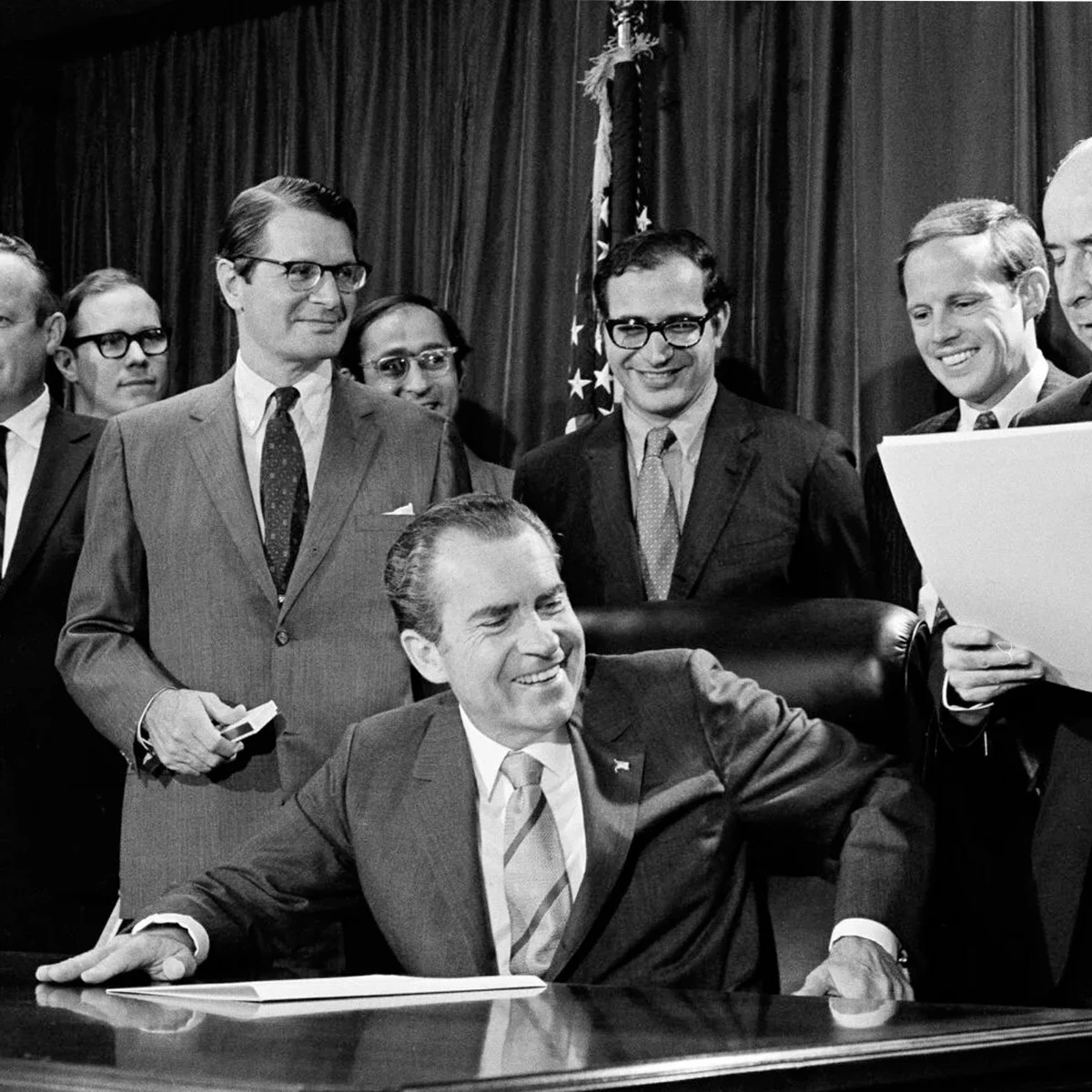
Years later, in a 1994 interview with journalist Dan Baum that was not published until 2016 in Harper’s Magazine, Nixon’s chief domestic policy adviser John Ehrlichman offered what amounted to a confession. The drug war, he said, had two targets: the antiwar left and Black Americans. “We knew we couldn’t make it illegal to be either against the war or black,” Ehrlichman reportedly told Baum, “but by getting the public to associate the hippies with marijuana and blacks with heroin, and then criminalizing both heavily, we could disrupt those communities.” He added: “Did we know we were lying about the drugs? Of course we did.” The quote has been disputed by some of Ehrlichman’s former colleagues, and its full context remains contested. But as a characterization of the political logic driving drug scheduling, it has been corroborated by what historians have found in the documentary record.
Psilocybin was swept up in this dreadful miscalculation because it had become a symbol of something greater and more threatening than itself, and symbols, in political theater, are often more powerful than scientific data.
Overnight, one of the most actively studied classes of compounds in psychiatry became effectively untouchable. Researchers who had spent their careers building the field scattered. Clinical trials ended. The thousands of published papers remained in libraries, but the infrastructure to follow up on them, the research programs, the institutional backing, the pharmaceutical distribution, had evaporated. Research into psilocybin would remain largely dormant for nearly thirty years.
The Slow Return
The thaw that continues to this day began in the 1990s. A few researchers, working in Europe and then the United States, began cautiously submitting proposals to study psychedelics in tightly controlled clinical settings. The FDA began, slowly, granting permission.
The person most credited with breaking the logjam on psychedelic research in the United States was Roland Griffiths, a clinical pharmacologist at Johns Hopkins whose main research focus had been caffeine and other mood-altering substances. In the late 1990s, Griffiths became interested in mystical experiences and consciousness and began the long process of navigating Johns Hopkins’ institutional review board, the FDA, and the DEA to win permission to administer psilocybin to healthy volunteers.
The resulting study, headed up by Rick Doblin and published in the journal Psychopharmacology in 2006, was essentially a replication and refinement of the Good Friday Experiment. It found that a single high dose of psilocybin produced experiences that the majority of participants rated as among the most personally meaningful of their lives, with sustained positive changes in mood and behavior measured months later. It is now credited with marking the beginning of what researchers and journalists call the psychedelic renaissance, a period that has seen major clinical trials at Johns Hopkins, NYU, Imperial College London, and dozens of other institutions examining psilocybin for depression, treatment-resistant depression, OCD, tobacco addiction, alcohol use disorder, and end-of-life anxiety.
In 2020, Johns Hopkins published the first rigorous controlled study showing that psychedelic therapy could effectively treat clinical depression. Australia approved psilocybin for treatment-resistant depression in 2023. As of 2026, it remains in late-stage clinical trials in the United States, and the legal and regulatory landscape is shifting, unevenly but perceptibly, toward something that would have been familiar to the researchers in Saskatchewan seventy years ago.
What Was Lost, and What It Cost
The thirty-year gap in psilocybin research is not merely a historical injustice. It is a gap measured in suffering, in people with treatment-resistant depression who cycled through medications that didn’t work, in alcoholics who relapsed without access to a therapy that evidence suggested could help, in terminal patients who died in fear and distress without the option of end-of-life therapy that Griffiths and others would eventually demonstrate was both safe and effective.
This is the real cost of the War on Drugs as it applied to psychedelics, beyond the brutal arrests and needless fearmongering: its stifling of decades of potential research into using these tools as medicines. It took a field of genuine scientific inquiry, with hundreds of trials and tens of thousands of patients, and declared it contraband, relegating these wholly safe and visionary compounds to Schedule I, a designation meaning no accepted medical use, and then used that designation to justify not conducting the research that would have established accepted medical uses. It is a circular anti-logic that researchers who lived through it recognized for decades: these drugs are dangerous because we say they’re dangerous. What is different now is that enough political will has accumulated in enough places to begin dismantling it.
The scientists working with psilocybin today are not necessarily charting new territory. They are, in many cases, rediscovering something found sixty years ago and then deliberately buried. The difference is that the political winds have shifted enough to let them do their jobs. Whether that shift proves durable is a question only time can answer. The history of the last century gives no particular reason for complacency. But for the moment, the research that was needlessly interrupted in 1970 is, finally, underway once more.